Fizocare’s Post-Operative Recovery & Edema Management Solution is designed for inpatient surgical wards and outpatient physiotherapy clinics, serving patients recovering from orthopedic, plastic and vascular surgeries. It integrates compression therapy, neuromuscular electrical stimulation, phototherapy and range-of-motion monitoring to speed up edema relief, alleviate postoperative pain and prevent common complications including deep vein thrombosis and arthrofibrosis.
Perspective: Orthopaedic Ward Managers & Post-Surgical Rehabilitation Teams — Standardizing early recovery protocols to shorten hospital stay and optimize patient recovery outcomes.
Fizocare adopts the multi chamber sequential pneumatic compression therapy system for lower limb rehabilitation.
The compression garment features four overlapping chambers covering the foot, calf, lower thigh and upper thigh. It inflates sequentially from distal to proximal at 40-60 mmHg, with a 3:1 compression and decompression ratio for each working cycle.
The standard protocol for total hip arthroplasty applies 2 hours of treatment three times per day, starting from postoperative Day 0 in the recovery room.
Built-in pressure sensors perform automatic atmospheric pressure calibration on startup. An alarm will activate if pressure deviation exceeds 10 mmHg.
A single chamber arm sleeve is prepared for upper limb surgeries including mastectomy with lymph node dissection and hand surgery, with adjustable compression pressure ranging from 30-50 mmHg.
The ergonomic sleeve design avoids axillary compression. The pressure will be lowered to 20 mmHg once patients feel numbness or tingling sensations.
All compression garments adopt moisture wicking lining to prevent skin maceration.
Technical Note: Compression garments must be worn over smooth stockinette without wrinkles. Wrinkled fabric under air chambers may generate local pressure over 100 mmHg and cause skin blisters within 30 minutes.
The system runtime meter requires daily inspection. Nurses will receive electronic reminders if the daily treatment duration is less than the required 6 hours.
To boost venous and lymphatic circulation, Fizocare’s Electrotherapy system operates under neuromuscular stimulation mode. Two 50×50 mm electrodes are placed on the motor points of the gastrocnemius or quadriceps muscles. The system delivers symmetrical biphasic waveforms at 50 Hz with a 300 µs phase duration, featuring a 5-second ramp-up, 10-second muscle contraction, and 20-second rest cycle. Stimulation intensity is adjusted to generate visible muscle contraction and comfortable tingling sensations, with all settings properly recorded.
The electrotherapy device syncs with compression therapy via trigger connection. Electrical stimulation activates during the decompression phase of pneumatic cycles to optimize venous refilling. For total knee arthroplasty patients, quadriceps stimulation starts on postoperative Day 1, targeting 100 contractions per therapy hour to relieve arthrogenic muscle inhibition.
Technical Note: Electrode placement must generate isolated contraction of target muscles without triggering antagonist muscles. Misplacement near the common peroneal nerve may cause unintended foot movement and disable the soleal pump function. Electrode contact skin areas require inspection every 4 hours. Repetitive redness indicates skin irritation and demands immediate electrode repositioning.
Fizocare uses the Lightwave Therapy device equipped with LED lamps of 660 nm red light and 850 nm near infrared light. It provides power density of 50 mW/cm² on the skin surface. The treatment head is aimed right above surgical wounds with a standard dosage of 6 J/cm². A flexible LED silicone mask that fits abdominal curves is available for caesarean section scar treatment.
Starting from postoperative day 5 after acute inflammation fades, the Heat Therapy system is adopted. The 250 W infrared lamp with peak wavelength of 1200 nm is placed 50 cm away from the treatment zone. It raises skin temperature slowly to 40-42 °C within 20 minutes. Thermal treatment is applied before passive joint movement training to soften connective tissue.
Technical Note: The light intensity of the LED panel needs monthly testing with a calibrated power meter. If light output drops more than 15 percent, the lamp panel should be replaced immediately. Do not use infrared heating on areas with weakened skin sensation such as regions affected by spinal anaesthesia, otherwise patients cannot sense excessive heat and may suffer deep skin burns.
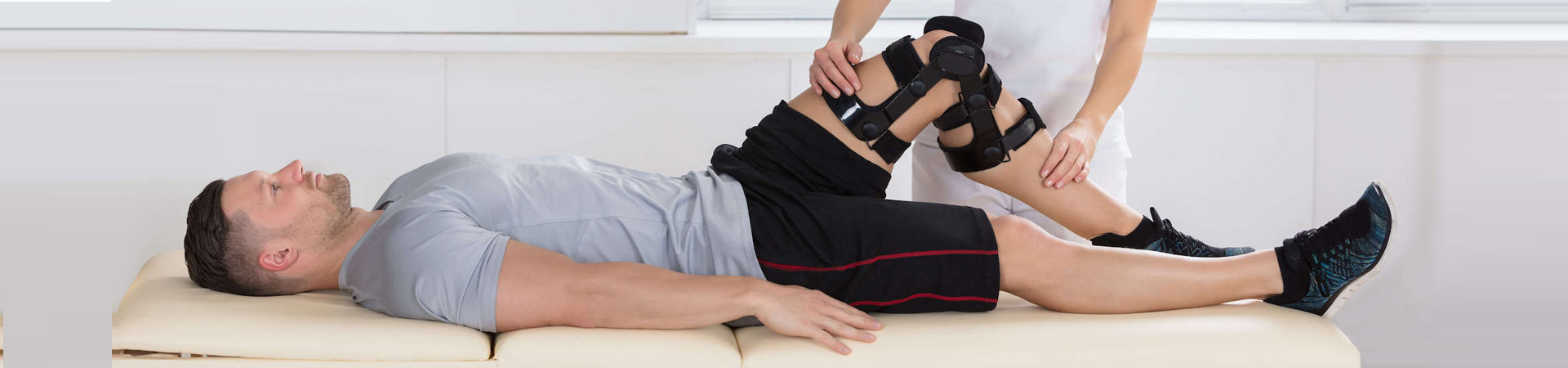
Fizocare provides orthopedic braces for the trunk, knee, leg, arm and shoulder to meet postoperative immobilization and controlled movement needs.
After anterior cruciate ligament reconstruction, the hinged knee brace stays locked at 0 degrees during walking and allows movement from 0 to 90 degrees for seated rehabilitation training.
For rotator cuff repair patients, the abduction shoulder sling keeps the shoulder at 15 degrees abduction in neutral rotation, with a detachable hinge for elbow bending.
The digital goniometer is used to record joint mobility objectively. It reaches precision of 0.1 degree and connects wirelessly to electronic medical records.
Therapists test knee flexion and extension, shoulder forward bending and ankle movement every week.
The device compares recovery progress with standard data for the corresponding surgery.
A warning will pop up once recovery speed drops below the 10 percent reference level, so treatment intensity can be increased timely.
Technical Note: The digital goniometer should be reset on a flat vertical surface before each test.
The same therapist should finish all follow-up measurements to guarantee consistent results.
If another clinician conducts the test, the data will be specially marked.
Fizocare unifies all therapeutic devices through bedside tablets, which display daily therapy schedules and automatically log completed interventions.
The system adopts an early warning scoring mechanism based on key clinical indicators including pain level, limb edema and joint mobility stagnation. Patients with VAS pain scores above 4, calf circumference over 2 centimeters larger than the healthy side, or stalled range of motion are marked as high-risk cases with potential delayed discharge. Physiotherapists review flagged cases during daily morning meetings and arrange supplementary therapy sessions as required.
Standardized discharge criteria are set for different surgical procedures. For total knee arthroplasty patients, discharge eligibility requires 90 degrees of active knee flexion, independent body transfer ability and safe single-step stair movement. The built-in discharge checklist verifies all recovery milestones and requires official electronic confirmation from physiotherapists. Patients receive printed home rehabilitation booklets with standardized exercise photos upon discharge, with a 7-day follow-up call scheduled automatically.
Technical Note: The bedside tablet supports 12-hour continuous clinical use and is charged overnight at dedicated nursing station cradles. All therapy data synchronizes to the hospital server via Wi-Fi every 15 minutes. Any data gap exceeding one hour will trigger a network fault inspection.
Subscribe to comprehensive rehabilitation and therapeutic solutions from Fiziocare. Elevate patient outcomes across physical therapy, neuro-rehab, and post-operative settings with integrated, science-driven systems.
© Nortek HealthCare Group Ltd., 2009-2026. All rights reserved.
This site operates under the laws of the People's Republic of China. Your access and use constitute acceptance of these Terms of Use and our Privacy Policy. All content is governed by our Privacy Notice. For details or inquiries, please Contact Us or use the site's search function.